
Uttarakhand State Deaf Men’s T20 Cricket Championship
For deaf athletes, sport is rarely an equal playing field. Access to coaching, exposure, infrastructure, sponsorship, and consistent competitive opportunities remains limited. Communication barriers add layers of complexity to training and match execution that hearing athletes take for granted. Yet, none of that diluted the standard of cricket on display. What unfolded during this championship was high-intensity T20 cricket driven by preparation, teamwork, and tactical clarity. Every match reflected months of effort—refined skills, synchronized team coordination, and mental resilience developed in conditions that demand more effort for the same outcome. These players did not ask for special treatment. They asked for a stage. And once given, they delivered with conviction.
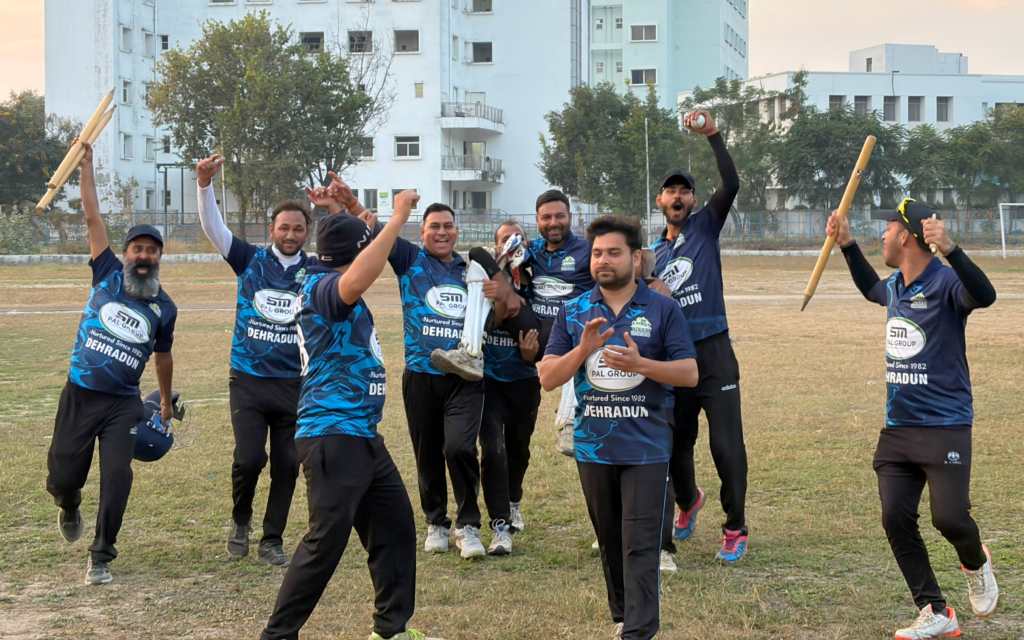
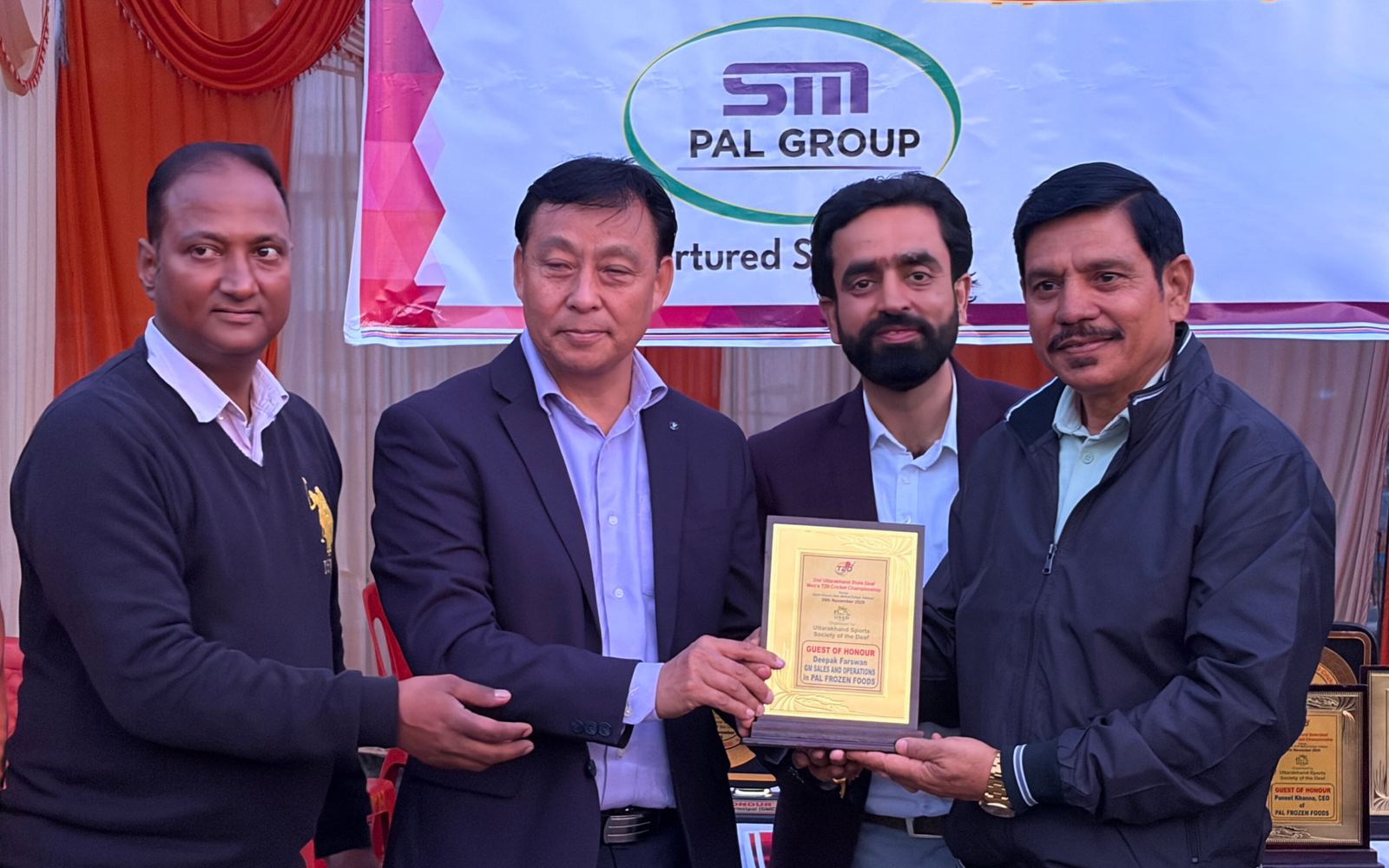
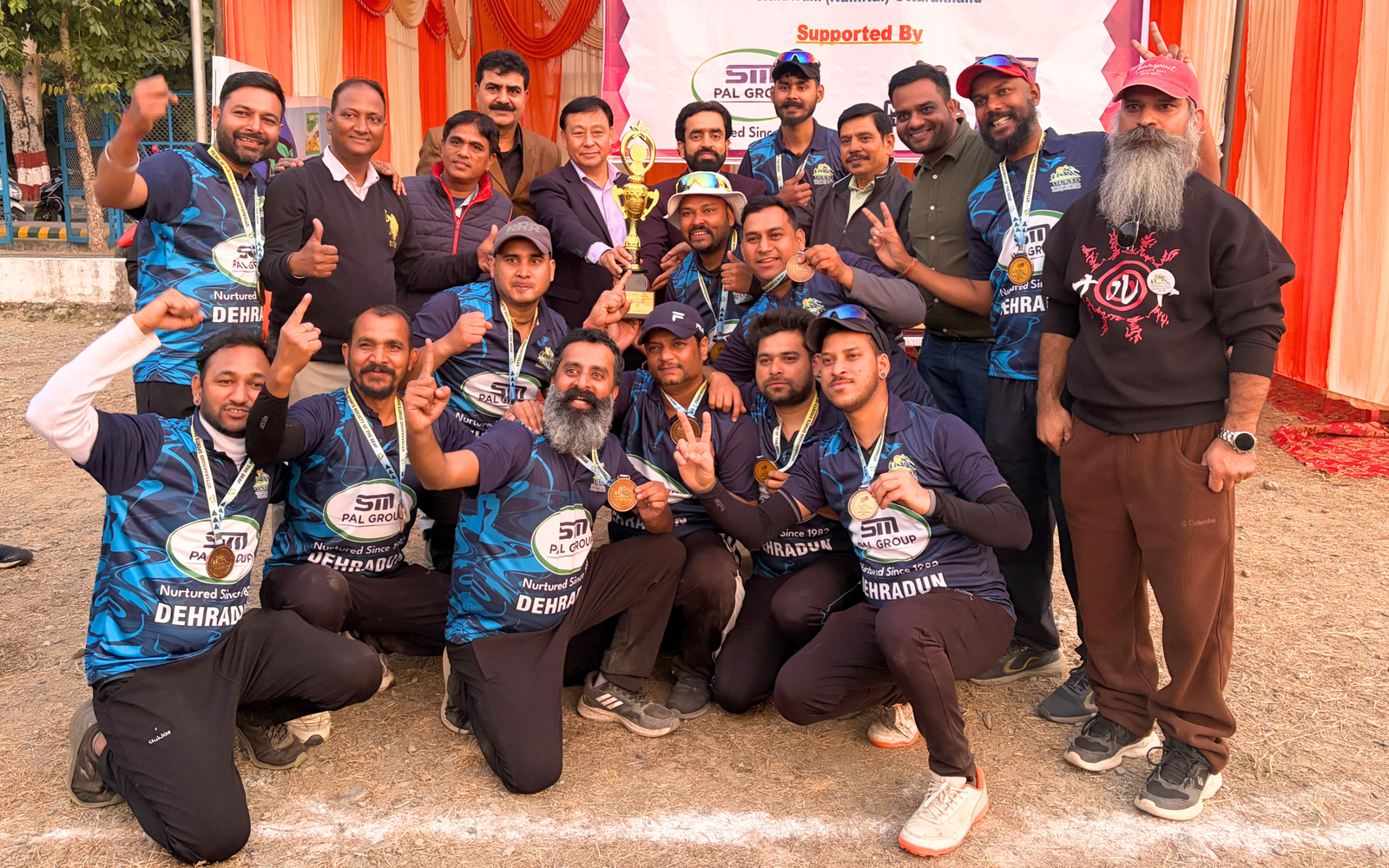
Empowering Deaf Sports in Uttarakhand
The Uttarakhand State Deaf Men’s T20 Cricket Championship is not just a sporting event—it is a critical platform for deaf athletes to compete with dignity, structure, and equal opportunity. In a space where access and visibility remain limited, initiatives like this championship create real pathways for talent recognition and self-belief. SM Pal Group’s involvement in this collaborative effort reflects a deliberate commitment to inclusive sports, not as a symbolic gesture, but as active support for ability, discipline, and performance. By standing with deaf athletes on the field, SM Pal Group reinforces the idea that empowerment comes from participation, opportunity, and consistent leadership.
SM Pal Group: Leadership presence & Vision
SM Pal Group’s role in the Uttarakhand State Deaf Men’s T20 Cricket Championship went far beyond financial sponsorship. The group was actively involved at multiple levels, demonstrating commitment through action rather than visibility alone. From supporting event execution to ensuring smooth coordination, SM Pal Group contributed to creating a professional, respectful environment where deaf athletes could focus purely on performance.
Leadership presence from SM Pal Group was visible on the ground—interacting with organizers, engaging with players, and understanding the real challenges faced by deaf sports communities. This hands-on involvement reinforced trust and signaled that the group views inclusive sports as a long-term responsibility, not a one-time association. Leadership at SM Pal Group was defined by direct involvement and clear accountability, not distant oversight. Decision-makers remained actively engaged throughout the Uttarakhand State Deaf Men’s T20 Cricket Championship, ensuring timely decisions, operational clarity, and alignment between intent and execution. This hands-on approach helped address challenges quickly and maintained the professional standard of the event. On-ground leadership presence played a critical role in reinforcing confidence among organizers and athletes alike. When leaders show up, listen, and respond, it sends a clear message: this initiative matters. For deaf athletes, that presence translated into respect, seriousness, and equal footing—essential elements for any competitive platform.
Creating Opportunities Through Sports
Sports play a powerful role in creating opportunities beyond the field, especially for deaf athletes who often face limited access to platforms, employment, and visibility. The Uttarakhand State Deaf Men’s T20 Cricket Championship served not only as a competitive event but also as a confidence-building ecosystem where performance, discipline, and teamwork were placed at the center. Participation in structured tournaments helps deaf players develop an employment-oriented mindset and punctuality, accountability, collaboration, and goal-driven effort—qualities valued well beyond sports.
By competing on a recognized platform, athletes gain visibility that challenges outdated perceptions around disability and capability. This exposure builds self-belief and encourages society to view deaf players as professionals, not beneficiaries. The involvement of the SM Pal Group strengthened this impact by supporting an environment where talent was taken seriously and effort was acknowledged. When organizations invest in inclusive sports, they don’t just enable matches; they help athletes imagine futures defined by opportunity, independence, and dignity.
A Model for Inclusive Sports Development
The Uttarakhand State Deaf Men’s T20 Cricket Championship stands as a practical benchmark for how inclusive sports initiatives should be planned and executed. It demonstrated that meaningful impact comes from structured support, leadership involvement, and respect for athletes, not token participation. By combining organized competition with accountability and long-term intent, the championship moved beyond symbolism into measurable outcomes.
The approach taken by SM Pal Group sets a clear example for other organizations: inclusion must be operational, not performative. When businesses invest time, resources, and leadership attention, inclusive sports become sustainable platforms for growth. This model encourages organizations to shift from visibility-driven sponsorships to responsibility-driven partnerships that create lasting value for athletes and communities alike.