
SM Pal Group’s Initiative for the Ashtadash Bhuja Mahalakshmi Temple Construction
Every organization grows within a society, but only a few accept the responsibility of giving back to the very foundation that sustains them. For SM Pal Group, community engagement has never been limited to economic activity. The group has always believed that progress must include cultural preservation, social harmony, and respect for spiritual traditions. Supporting the construction of the Ashtadash Bhuja Mahalakshmi Temple in Haldwani was therefore not an act of charity but a natural extension of its values.
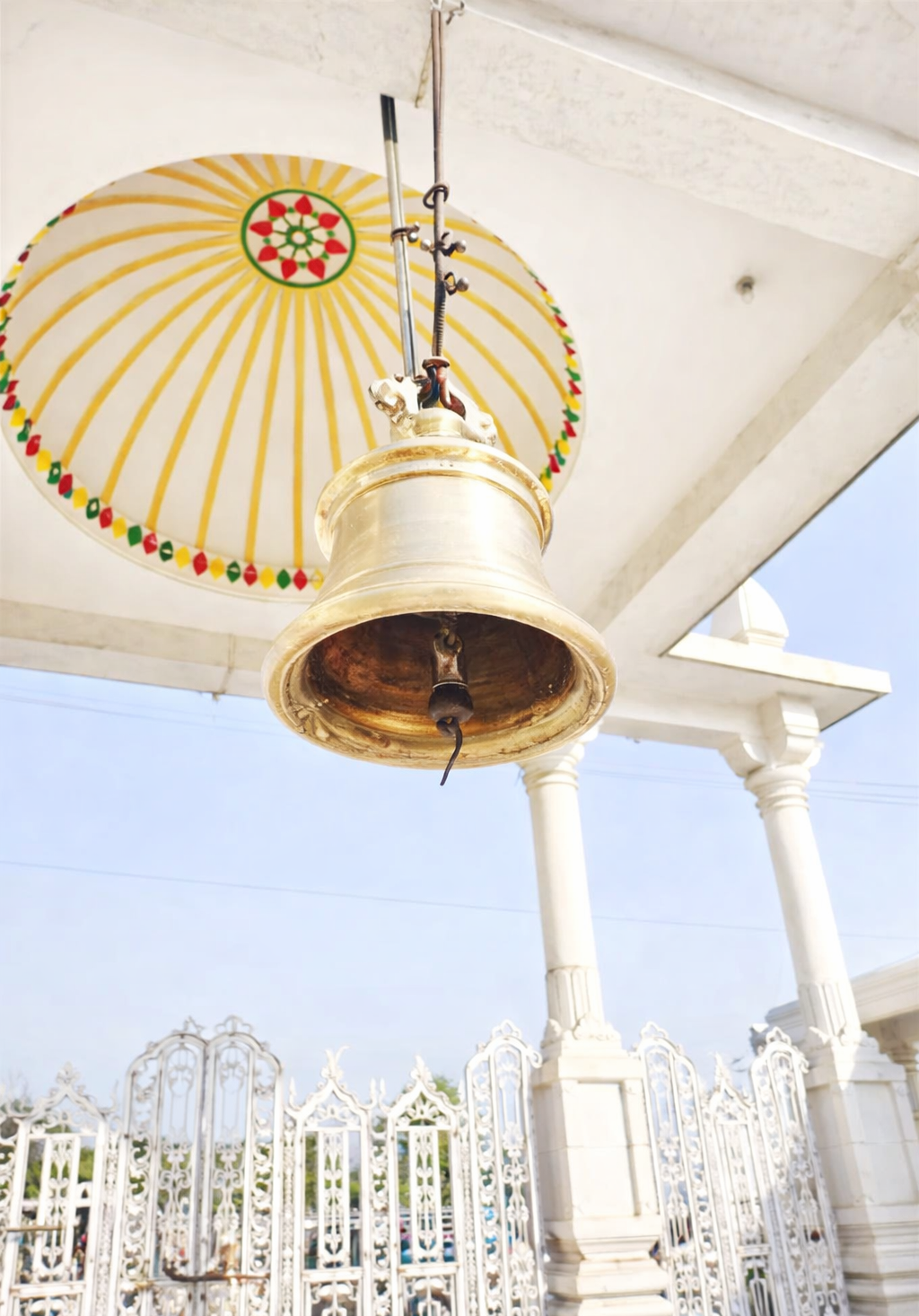
The temple stands as a center of faith for countless devotees, and its construction represented more than just architecture; it symbolized continuity of tradition and collective belief. Recognizing its importance, SM Pal Group contributed to the temple’s development so that a sacred space could be created for present and future generations.
Preserving Faith and Cultural Heritage
In India, temples are not just religious sites; they are social institutions that hold memory, identity, and continuity. The Ashtadash Bhuja Mahalakshmi Temple stands as a symbol of protection, prosperity, and shared belief deeply embedded in the region’s cultural life.
By supporting its construction, SM Pal Group did more than contribute financially; it helped sustain a living tradition. In fast-changing urban spaces where development often replaces history, such participation protects cultural continuity instead of allowing it to disappear.
The group’s approach is simple: growth should expand foundations, not erase them. The contribution enabled artisans, workers, and planners to continue construction without compromise, ensuring structural integrity while preserving spiritual character.
Rather than creating a monument, the effort strengthened a cultural anchor, a place where faith, community, and heritage remain active parts of everyday life.
Community Participation and Collective Effort
No large community institution is created by a single entity. It emerges from shared belief, cooperation, and responsibility. The temple’s construction became a collaborative process where devotees, volunteers, craftsmen, and supporters each contributed in proportion to their capacity, turning the project into a collective achievement rather than a private initiative.
SM Pal Group participated within this framework, not as a dominant sponsor but as one of the contributors. The intention was alignment with community effort, not ownership of it. This distinction matters: public spaces lose meaning when associated with individual credit but gain strength when linked to shared participation.
The underlying principle is straightforward: development cannot remain sustainable if business grows while society remains disconnected. Institutions endure only when people feel involved in their creation.
By contributing as part of the collective rather than above it, the effort reinforced cooperation, responsibility, and long-term social stability.
A Commitment to Responsible Growth
Responsible growth is often reduced to compliance checklists and policy statements, but SM Pal Group treats it as a matter of intent and voluntary participation. The company considers social and spiritual contribution not as charity or branding, but as a natural extension of operating within a community. Supporting the temple project followed this thinking: growth should not displace identity.
The group’s position is simple: development that ignores tradition creates instability. Industries generate income and employment, but cultural institutions shape behavior, discipline, and shared norms. When only economic structures expand, societies become materially richer yet socially fragile. By backing initiatives that preserve cultural continuity, SM Pal Group aims to maintain balance between progress and rootedness.
The temple effort therefore represents more than a single project. It reflects a long-term approach in which commercial expansion and cultural preservation move together, reducing friction between modernization and heritage and creating growth that communities can accept rather than resist.
Looking Toward the Future
The Ashtadash Bhuja Mahalakshmi Temple is designed to outlast the present generation. Children visiting today will return as adults, families will mark life events there, and travelers will encounter a living expression of local culture. Over time, the structure becomes less a project and more a reference point for continuity.
SM Pal Group’s role therefore goes beyond a one-time contribution. By supporting a space intended for long-term community use, the group becomes linked to decades of shared experiences, traditions, and gatherings.
The value of such involvement is not measured through financial metrics but through persistence, sustained faith, recurring interaction, and stable social relationships that develop around a place people keep coming back to.